Let's talk about the desire gap nobody mentions
Depression kills libido. That's not a metaphor. Antidepressants help you function, but they often flatten sensation too. So you emerge from depression treatment alive and stable and grieving the parts of yourself that used to work. That's a real loss, even when the trade-off saved your life.
Here's what I see in my practice: people assume this flatness is permanent. It isn't. And you don't need a therapist to tell you to "communicate more" or "go on a romantic date." You need practical tools to wake your body back up safely, at your own pace.
Why desire disappears during depression treatment
Depression itself suppresses libido through several overlapping mechanisms. Your nervous system is locked in survival mode, cortisol is elevated, and the neural pathways that generate desire are muted. Antidepressants, especially SSRIs, often come with a side effect called anhedonia: literally, the inability to feel pleasure. It's chemical, not psychological.
Some people adjust after a few months. Others don't. If you've been on medication for six months or longer and desire hasn't returned, that's not weakness or relationship failure. That's a side effect you can address.
The good news: desire can rebuild. It's slower than you might want, but it's real. I've watched hundreds of people reconnect with sensation once they understand that rebuilding pleasure after depression requires a different approach than pre-depression sexuality. You're not restoring something. You're building new pathways.
The neuroscience of pleasure reconnection
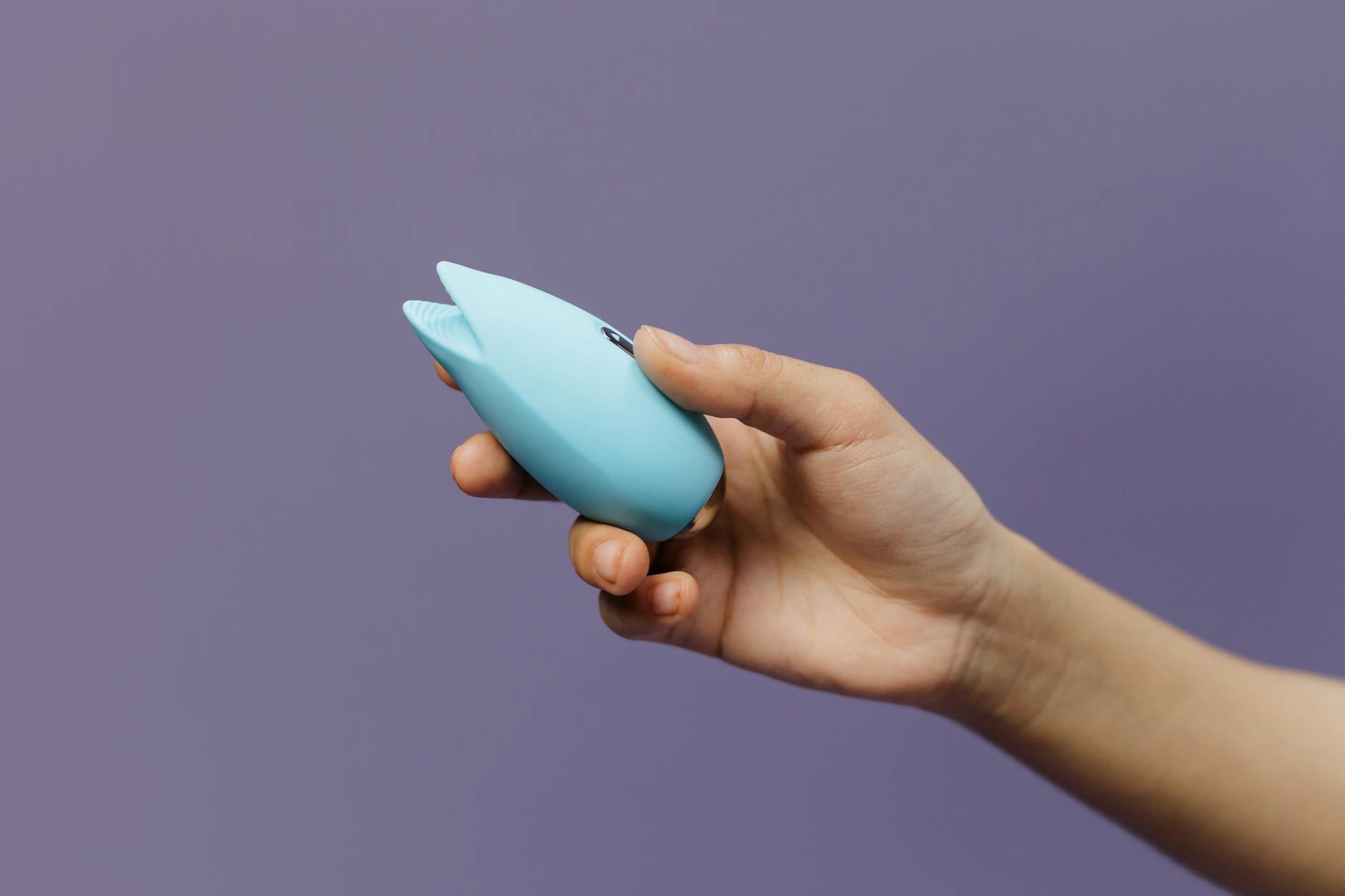
Your brain needs specific input to wake up. Generic stimulation won't do it when you're coming out of anhedonia. You need something that creates sensation without requiring emotional buildup first. That's where a lemon clitoral vibrator becomes crucial.
Unlike wand vibrators, which broadcast stimulation across a large area, a lemon vibrator uses air-pulse technology to create targeted, rhythmic suction. This matters because it bypasses the usual friction model entirely. When sensation is muted, broad pressure often registers as nothing. Suction creates a distinct, localized sensation that your nervous system registers even when pleasure pathways are quiet.
Start with lower intensity. Your body hasn't been paying attention to pleasure cues, so gentle input is actually more effective than the power settings you might have used before depression. This isn't about forcing sensation. It's about creating space for your nervous system to notice.
Building a reconnection practice that works
First: set realistic timelines. If you've been in anhedonia for a year, expect reconnection to take weeks, not nights. This isn't failure. This is your brain learning to signal pleasure again.
Solo practice is where to start. You have no performance pressure, no partner's timeline, no obligation to feel specific things. This removes so much friction from the equation.
Here's what I recommend: schedule 15 to 20 minutes, alone, without expectation of orgasm. The goal is sensation, not outcome. This distinction changes everything. You're not trying to come. You're practicing noticing what your body feels.
Use a water-based lubricant. Depression treatment often comes with dry mouth and other moisture changes. Lubrication helps sensation register without friction-related irritation. A simple lube also signals to your nervous system that you're choosing pleasure, which sounds abstract but is neurologically real.
Start at setting 1 or 2 on a lemon clitoral vibrator. Explore different patterns slowly. Your body might prefer the steady rhythm initially, or it might respond better to pulsing. There's no correct answer here. You're gathering information about your nervous system's preferences.
What pleasure actually feels like on the other side
When sensation starts returning, it won't feel like the pleasure you remember. It's often more localized, sometimes more intense, sometimes weirdly cerebral at first. This is normal. Your brain is rewiring. Expect pleasure to feel different, and that's progress, not disappointment.
Some people report tingling where they expected warmth. Others feel sensation that's pleasurable but not orgasmic. Keep going. Over weeks of practice, the pleasure usually integrates and deepens. But even if it plateaus at "interesting," that's still a massive difference from numbness.
Many clients find that pleasure returns in stages. First is physical sensation without emotional pleasure. Then comes emotional response to the sensation. Then comes the ability to feel desire in advance of stimulus. This layered return takes time but follows a predictable pattern.
When to bring a partner into the process
Don't rush this. I see relationships suffer because someone assumes their partner should be excited that sensation is returning, and then feels pressure to perform before they're actually ready. Desire takes longer to rebuild than sensation does.
When you're ready to involve a partner, the conversation isn't "my depression made me numb." That's true but it shifts responsibility. The conversation is "I'm rebuilding my relationship with pleasure, and here's what helps." You're inviting them into a process, not explaining a deficit.
Using a lemon vibrator with a partner works when the partner understands their role is witnessing, not generating the sensation. Some people find it helpful to use the vibrator solo while a partner is present but not touching. Others prefer solo use entirely. There's no script. Build yours together, with zero shame if you need solo time indefinitely.
When to get professional support
If six weeks of consistent practice produces zero sensation change, talk to your prescriber. It might be the wrong medication. It might be the right medication at the wrong dose. Switching antidepressants or adjusting dosage sometimes solves the anhedonia problem. This is a legitimate medical conversation, not vanity.
If desire is rebuilding but you're experiencing pain with stimulation, that's also worth mentioning to your doctor. Depression treatment can come with other side effects that affect physical pleasure, and sometimes treating the underlying cause solves multiple problems at once.
A lemon clitoral vibrator is a tool for sensation reconnection, not a replacement for medical care. It works best alongside professional support, not instead of it.
The emotional piece that matters as much as the physical
Rebuild pleasure while also building permission to prioritize it. Depression often carries shame about need, desire, and self-care. As sensation returns, the emotional work is learning that pleasure rebuilding isn't selfish. It's survival in a different key.
Your body deserves to feel good. Not because you earn it, not because your partner likes it, not because it fixes your relationship. Simply because you're alive and sensation is part of being alive.
This is why rebuilding desire after depression often becomes a marker of genuine recovery. It's the moment you stop just surviving and start choosing aliveness again.
People also ask
How long does it take to rebuild desire after stopping antidepressants?
Timeline varies widely, but generally expect 4 to 12 weeks for noticeable sensation return, and several months for full desire reconnection. Some people find desire rebuilds within weeks; others take six months. Don't compare your timeline to anyone else's. Your nervous system has its own pace. If nothing changes after three months of consistent practice with solo exploration, talk to your doctor about medication adjustment.
Can you use a lemon vibrator while still taking antidepressants?
Absolutely. Some people rebuild sensation while on medication; others need a dosage adjustment or medication change first. A lemon clitoral vibrator works regardless of medication status. It's actually a helpful diagnostic tool: if sensation starts returning with your current medication, you know the medication is working well. If it doesn't return after three months, that information is valuable for your prescriber.
What if I feel guilty about prioritizing pleasure while depressed?
That's depression talking, not truth. Pleasure reconnection is part of recovery, not a betrayal of the serious work of treating depression. You're not choosing pleasure over healing. You're using pleasure as one tool for healing. If guilt is intense, that's also worth discussing with your therapist. Sometimes depression leaves shame in its wake even after chemical symptoms improve.
Is there a difference between a lemon vibrator and other clitoral vibrators for this purpose?
Yes. Lemon vibrators use air-pulse technology, which creates distinct, localized sensation. Wand vibrators broadcast stimulation broadly. When anhedonia is active, the precision of a lemon clitoral vibrator often registers sensation when wands don't. That said, some people prefer wands. Solo practice will tell you which works for your nervous system.
What if my partner wants to help, but I feel uncomfortable?
Honor that. Desire rebuilding can happen solo. Having a partner present isn't required. If your partner is pressuring participation, that's a relationship boundary issue that deserves conversation separate from pleasure rebuilding. You're not obligated to involve anyone else in your reconnection process.
Should I talk to my doctor before using a lemon vibrator?
Not required, but it's not inappropriate to mention. If you're discussing desire loss and pleasure reconnection with your prescriber, mentioning that you're using a clitoral vibrator as part of your recovery signals that you're taking this seriously. Some providers have useful suggestions based on your specific situation.
The bottom line
Depression flattens desire, and that's neurological, not personal failure. Rebuilding pleasure is possible, and a lemon clitoral vibrator gives your nervous system the specific input it needs to start rewaking. Start solo. Start gentle. Set timelines in weeks, not nights. Your body will tell you when it's ready for the next step.
You don't need to feel desire to begin practicing sensation. Sensation comes first. Desire follows. That's the actual order, and it matters.