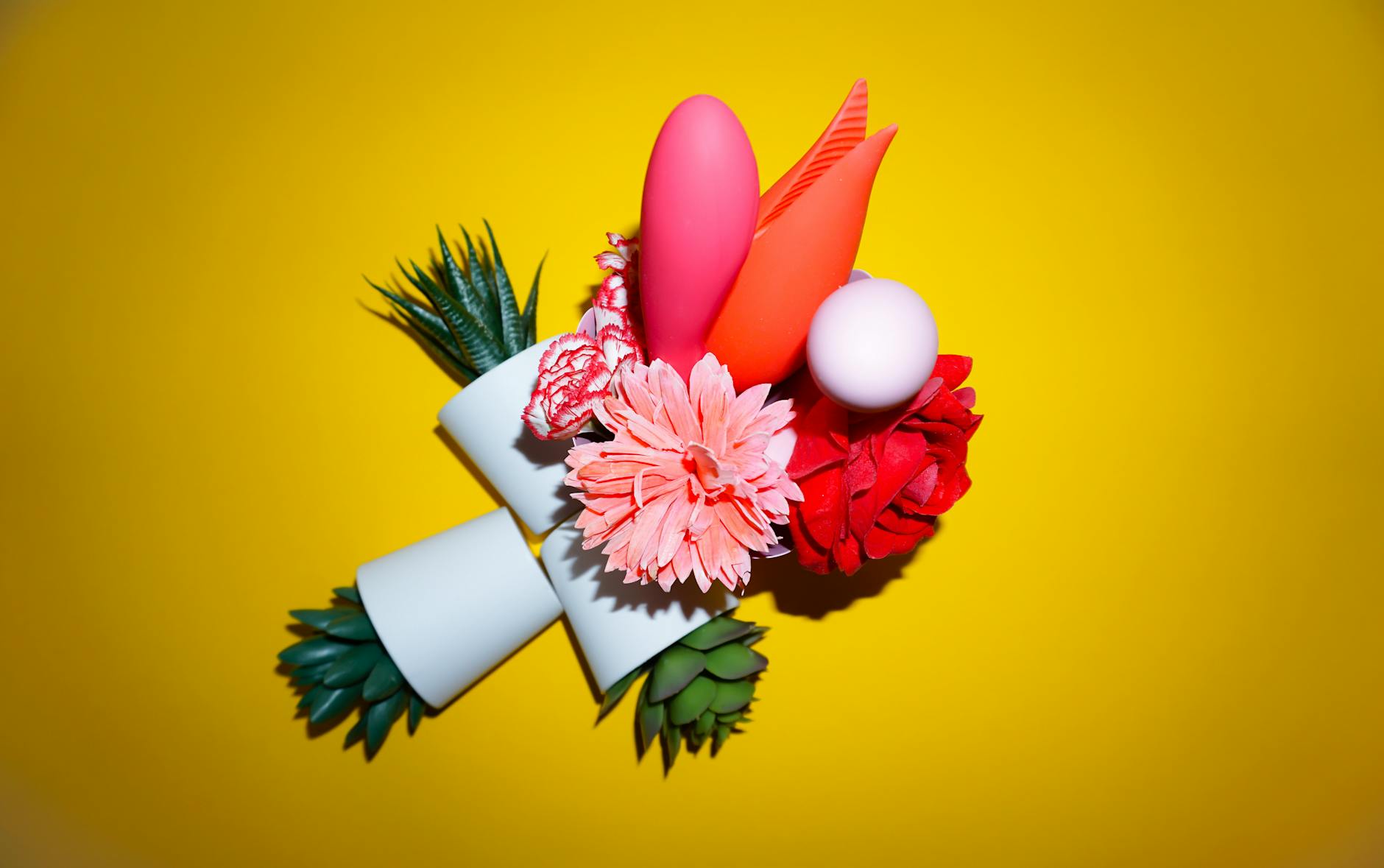
Let's start with what lichen nitidus actually is
Lichen nitidus is an inflammatory skin condition that shows up as tiny white or flesh-colored bumps on the vulva. It's not an infection. It's not contagious. But it can make touch feel sharp, raw, or burning in unpredictable ways. If you've been told you have it, the first thing you need to know is that pleasure is not off the table. It just requires a different approach.
The condition is rare enough that many GPs miss it. Some people describe it as feeling like their vulva is covered in invisible splinters. Others say it's more of a constant rawness that gets worse with friction. The texture changes mean that what felt fine yesterday might trigger a flare today. That unpredictability is often what kills desire faster than the pain itself.
Why lichen nitidus changes how pleasure feels
The bumps are microscopic inflammation of the top layer of skin. They're not deep, but they're densely packed, which means the nerve endings in that area are overactive and sensitized. Normal touch. friction, or pressure can feel like sandpaper.
Here's what matters for pleasure: the clitoris and vulva have thousands of nerve endings, and lichen nitidus doesn't affect all of them equally. Some areas might feel almost normal while others are completely off-limits on a bad day. This is why generic vibrator advice fails. You need a tool that lets you control intensity precisely, avoid friction entirely, and work around inflamed zones.
How a lemon clitoral vibrator helps
The lemon vibrator works through suction and pulsation, not friction. That's the critical difference. Friction agitates the bumps and triggers flares. Suction lifts the tissue gently and stimulates the nerves without abrading the surface. You're getting pleasure-building sensation without the mechanical drag that makes lichen nitidus worse.
The lemon also lets you control exactly where stimulation happens. You can position it to target areas that feel okay while completely avoiding the worst zones. Start with the lightest setting. Most people with vulvar pain conditions find that even pattern 1 or 2 on a lemon clitoral vibrator is more than enough to build arousal without tipping into pain.
Managing flares before you try pleasure
Timing matters. The worst time to attempt anything is during an active flare. If your vulva is burning, swollen, or feels raw to the touch, wait. This isn't giving up on pleasure. It's respecting your nervous system's signal.
During flares, focus on things that actually help. A cool compress. Loose cotton underwear. If you've been prescribed a topical steroid cream or calcineurin inhibitor, use it consistently. Many people find that their condition is actually manageable once they're on the right treatment. Talk to your dermatologist or gynecologist about whether you need stronger medication. Lichen nitidus responds to treatment, but it takes weeks to see real improvement.
When you're between flares, that's when you build back pleasure. Start small. Your nervous system has learned to brace for pain. It needs proof that touch can feel good again.
The actual technique
Take your time. Set aside 20-30 minutes when you're not rushed or stressed.
Start with whatever relaxes you. A shower. Gentle stretching. Deep breathing. Whatever gets your nervous system out of fight-or-flight mode.
Apply a small amount of water-based lubricant to the external areas you want to stimulate. The lube is not about friction. It's about smoothness and glide. It helps the suction work better and makes the sensation feel safer to your nervous system.
Start with the lemon on its lowest setting. Hold it gently against the area you want to explore. Don't press. Just let the suction do the work. You should feel a gentle lift and pulse, not any intensity. The whole point is rebuilding the neural pathway that says touch can feel good.
If anything feels sharp or burning, stop immediately. Respect that signal. You can try again in a day or two. If the same area keeps triggering pain, mark it as off-limits for now. Your vulva will tell you what's safe.
What to expect emotionally
Rebounding from vulvar pain is not just physical. Many people develop anxiety around touch after months or years of pain. Your brain has learned to anticipate hurt. Pleasure doesn't work well with anticipatory fear.
This is why going slow is not a weakness. It's the strategy that actually works. Each time you touch yourself and don't experience pain, you're rewiring that fear response. This happens gradually. After a few weeks of gentle, pain-free exploration, many people find that their nervous system starts to relax. Arousal becomes possible again.
If you have a partner, communicate clearly about what you're doing and why. Lichen nitidus is not about their touch being wrong. It's about a medical condition changing what feels safe. Many partners actually find it helpful to understand the physiology, because it removes the shame and makes it a practical problem to solve together.
When to bring a partner back into pleasure
Wait until you've had several solo sessions without pain. You need to know which touches feel good before you invite someone else to explore with you. Once you do, the same rules apply. Low intensity. No friction. Plenty of lube. Lots of communication about what's working and what's not.
For partnered touch, some people find that external vibrators like the lemon work better than fingers or penetration because the person can hold it steady without getting fatigued or shifting pressure unpredictably. Others find that having their partner use the lemon on them helps rebuild intimacy after a long dry spell.
Medical support you might not know about
If you're managing lichen nitidus and pleasure is still difficult after several months of topical treatment, ask your dermatologist about systemic options. Low-dose oral corticosteroids or other immunosuppressants can help in stubborn cases. Lichen nitidus is not something you just have to live with indefinitely. It's treatable. It takes time, but it gets better.
If your provider seems dismissive of how much this is affecting your quality of life, get a second opinion. Vulvodynia specialists and dermatologists with expertise in lichen nitidus are worth seeking out. They understand that this is not a cosmetic issue. It's a real condition that affects your sexual health and your life.
When you're ready to rebuild intimacy, you deserve tools and support that actually work. A lemon clitoral vibrator paired with good medical care and patience is a real path forward. Not someday. Now.