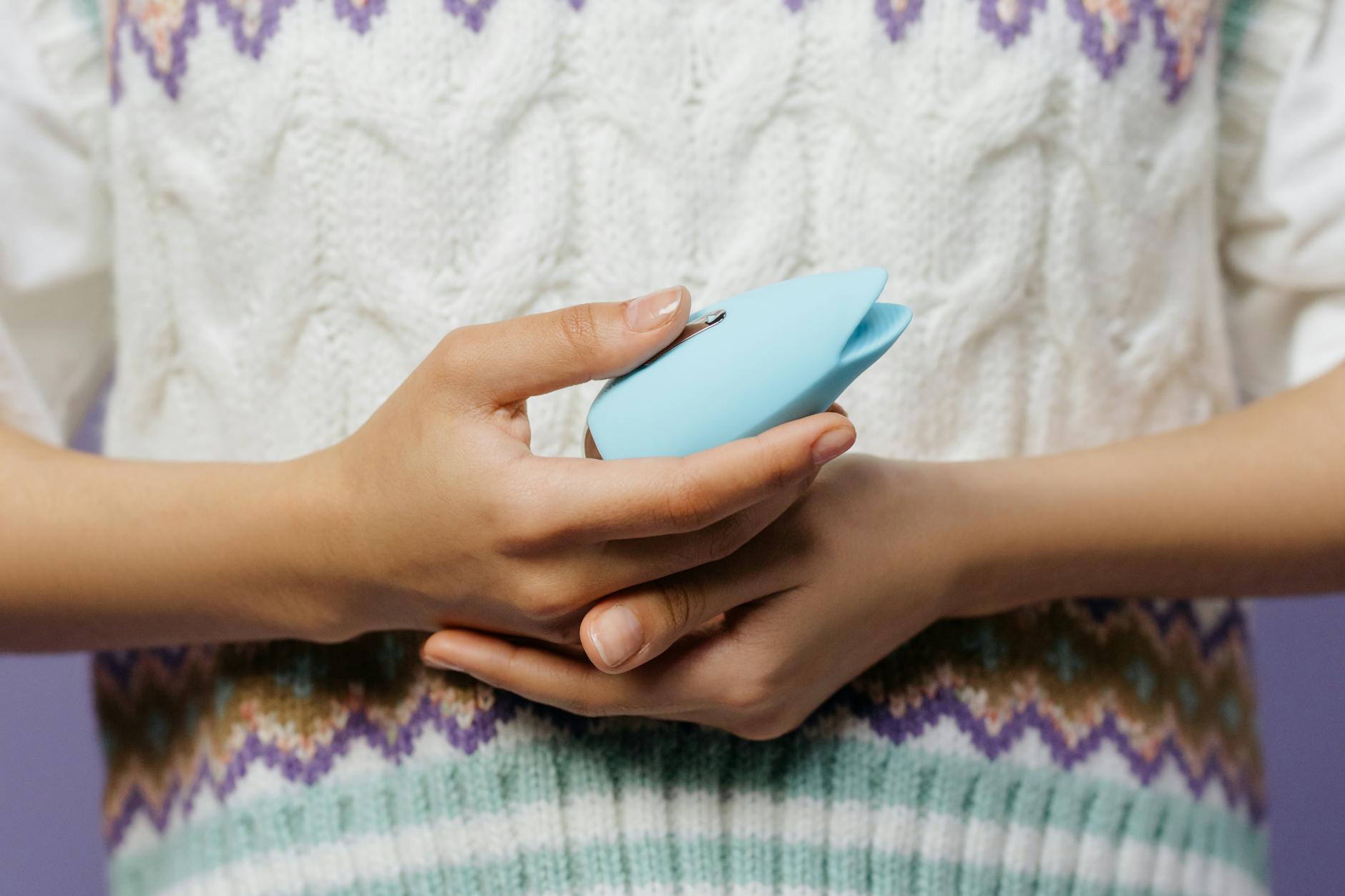
How to use a lemon vibrator when you have lichen sclerosus
Lichen sclerosus is an autoimmune condition that thickens and whitens vulvar skin, often leaving it fragile, itchy, or numb in patches. If you're living with it, you've probably noticed that sex, toys, and even certain types of touch can feel either too intense or weirdly muted. The good news: pleasure is absolutely still possible. A lemon clitoral vibrator like the Lem can be one of the best tools for navigating this, but it requires a different approach than the standard advice.
I've worked with clients managing lichen sclerosus for years, and the pattern is always the same. They avoid toys entirely because one bad experience with a vibrator that was too aggressive or applied to the wrong spot sends them back to square one. Then they discover that clitoral vibrators designed specifically for suction, not friction, change everything. This post walks you through exactly how to use one safely and how to rebuild pleasure on your own terms.
What lichen sclerosus actually does to sensation
Lichen sclerosus thickens the skin (a process called hyperkeratosis) and can also cause loss of pigment and architectural change to the vulva. Nerve sensitivity becomes patchy. Some areas go numb. Others become hypersensitive. The tissue becomes more fragile, which means friction that would normally feel fine can cause micro-tears, burning, or flare-ups that last days.
Here's the tricky part: it's unpredictable. What feels okay one week might feel terrible the next, depending on inflammation levels, whether you're in a flare, and what topical treatments you're using. This inconsistency is actually the biggest barrier to pleasure, more than the condition itself. You can't relax into sex when you can't predict how your body will respond.
The good news is that sensation isn't dead. It's just reorganized. And clitoral vibrators that use suction rather than direct vibration tend to feel dramatically different to people with lichen sclerosus.
Why suction vibrators work better than standard ones
A traditional vibrator creates pleasure through rapid oscillation. It's friction, essentially, just mechanized. For thickened or fragile tissue, friction is often the problem. It can irritate, it can feel too intense, or it can press against toughened skin in a way that numbs sensation rather than awakening it.
Suction vibrators work differently. They create a gentle pulling sensation that stimulates the clitoral nerve complex without requiring direct friction or pressure. This is genuinely important if your tissues are thickened or if you have patches of numbness. Suction engages the nerves in a way that bypasses the texture problems. It also allows you to control exactly where the stimulation is happening, because you're placing the head of the device, not just pressing it against your body.
This is why lemon adult toys specifically designed with suction (like the Lem) have become such a game-changer for people managing lichen sclerosus and other autoimmune vulvar conditions. The suction intensity is also adjustable, which means you can start low and work up, or stay low if that's all you need.
Setting up your environment for safety and comfort
Before you even touch the Lem vibrator, take two minutes to set the stage. This is not wasted time. This is the difference between a good experience and a triggering one.
Temperature matters. Warm your hands. Warm the toy (hold it under running water, or just keep it in your hands for a minute). Cold silicone against fragile tissue is genuinely painful. Warmth also helps the tissue relax.
Use topical medication first. If you're on a steroid cream, a calcineurin inhibitor, or another prescribed treatment for lichen sclerosus, apply it 20-30 minutes before you plan to play. Let it absorb fully. Your tissue will be more resilient and less reactive.
Lubrication is essential, always. Use a water-based lube generously. This serves two purposes: it creates a gentle barrier between the toy and your tissue, and it makes the suction sensation even smoother. Don't skimp. Reapply halfway through if you need to.
Choose a time when you're not in active flare. If your lichen sclerosus is currently flaring, skip the toy entirely. Use this time for rest, topical treatment, and internal (partnered or solo) pleasure that doesn't involve any vulvar contact. Flares pass. Patience here prevents setbacks.
How to actually use the lem vibrator safely
Now for the mechanics. This is where precision matters.
Start with the lowest setting. The Lem typically has 10 pattern options and intensity levels. Spend your entire first session on level 1 or 2. I know this feels conservative. It is. Your goal here is not to orgasm. It's to prove to your nervous system that the toy is safe.
Apply the head to the clitoral area gently. Don't press. The suction creates the stimulation. Pressing adds pressure that thickened tissue doesn't appreciate. Position the toy and let it do the work. You should feel a gentle pulling sensation, not a hammering or a buzz.
If you experience any burning, sharp pain, or a sensation of too-muchness, stop immediately. This isn't prudishness. This is listening. Lichen sclerosus flares from overstimulation. One 20-minute session at intensity level 5 can trigger inflammation that takes a week to settle. It's not worth it.
Start with 5 minutes of play, maximum. Build up slowly over weeks. Many people with lichen sclerosus find that 10-15 minutes at moderate intensity is their ceiling. That's not a limitation. That's your rhythm.
Positioning and technique adjustments
You might notice that stimulating the clitoral glans directly feels painful or numb. The tissue there is often most affected by lichen sclerosus. If this is your experience, try shifting the toy slightly to the clitoral hood or the perineal area just below. These areas often have more intact sensation.
You can also try holding the toy at different angles. Some people find that approaching from below, angling the device upward, feels less intense than direct-down pressure. Experiment. Your body will tell you what works.
If you have patches of significant numbness, you might find that no amount of stimulation in that zone will feel like much. This is normal and actually protective. Your body is being smart about damaged tissue. Focus your attention on the areas with intact sensation instead.
Managing flares and emotional patterns
This is the part most medical advice skips, and it's crucial. Lichen sclerosus is a chronic condition, and living with chronic pain (even intermittent, localized pain) messes with your relationship to your own body. You might find yourself anticipating pain before it happens. You might avoid pleasure entirely because one bad experience spooked you. This is understandable, but it also locks you out of something you deserve.
If you've had a bad flare after trying a toy, it makes sense to feel cautious. But one setback doesn't mean you can't try again with a different approach. Healing from lichen sclerosus is not linear. Neither is rebuilding pleasure with the condition. You might have weeks where everything feels great, then a bad week, then great again. This is the reality. Accepting it makes it easier to work with.
Consider a lemon clitoral vibrator part of your broader lichen sclerosus care plan, not a replacement for it. If your topical treatments aren't working or your flares are getting worse, escalate to your dermatologist or gynecologist. Some people need systemic treatment (oral medications) to get control of the condition. Once the inflammation is lower, toy play becomes more reliable and more pleasurable.
When to seek help from a specialist
If you're experiencing pain that doesn't improve with topical treatment, or if flares are triggered by touch of any kind, you need a lichen sclerosus specialist or a vulvovaginal dermatologist. This is not a standard OB/GYN issue. The condition requires targeted expertise. A good specialist can also connect you with pelvic floor physical therapy, which can be genuinely helpful for lichen sclerosus.
Also talk to your doctor before using a vibrator if you're newly diagnosed. Make sure you're not in a period where even gentle stimulation isn't advisable. Once you've been managing the condition for a while and you understand your personal patterns, you'll have better intuition about what's safe.
Lichen sclerosus is not the end of pleasure. It's a recalibration. A lemon sexual toy designed with suction and precision can be part of reclaiming what feels good, if you approach it with patience and knowledge.
People also ask
Can lichen sclerosus cause permanent loss of sensation?
Not necessarily. Lichen sclerosus can cause areas of numbness, especially if the condition has been active for years without treatment. But numbness is not always permanent. Once inflammation is controlled with topical or systemic treatment, some sensation often returns, though it may take months. The key is getting the condition treated early and aggressively. If you've had numbness for a long time, talk to a pelvic floor physical therapist. They can sometimes help rewaken sensation through specific techniques.
Is it safe to use vibrators with lichen sclerosus at all?
Yes, but with modifications. High-intensity friction-based vibrators are riskier because they can trigger flares. Suction vibrators like the Lem are gentler on fragile tissue. Start low, go slow, and stop immediately if anything feels wrong. You'll develop a sense of what your body can tolerate. Many people use vibrators routinely once they understand their personal thresholds.
Should I use different lubrication with lichen sclerosus?
Water-based lube is your safest bet. Silicone-based lubes can sometimes irritate inflamed tissue. Some people with lichen sclerosus do well with hyaluronic acid lubes, which are extra hydrating. Avoid anything with glycerin if your tissue is particularly reactive. Test new lubes on a small area first to see how your skin responds.
How long should a session with a clitoral vibrator be if I have lichen sclerosus?
Start with 5-10 minutes maximum, even if you don't climax. You're not training for an endurance event. You're teaching your body that pleasure is safe. As you get more confident and your tissue tolerates it better, you can extend to 15-20 minutes. Some people cap out at 10-15 minutes per session. That's completely fine. Quality matters more than duration.
Can lichen sclerosus flares be triggered by vibrator use?
Yes, they can, if the intensity is too high or the session is too long. This is why starting low and going slow is essential. It's also why consistency of treatment for your lichen sclerosus itself is so important. If your underlying condition is flaring due to inadequate medication or lifestyle triggers, adding vibrator play on top will likely make it worse. Address the flare first, then reintroduce the toy gently.
What's the difference between lichen sclerosus and other vulvar skin conditions?
Lichen sclerosus causes whitening and thickening of skin, often in a figure-eight pattern around the vulva and anus. It's autoimmune, meaning your immune system is attacking your own tissue. Lichen planus is related but different. Vulvodynia is chronic pain without visible skin changes. Each requires different treatment approaches. If you have lichen sclerosus, a dermatologist or vulvovaginal specialist should confirm the diagnosis with a biopsy. Once you know what you're managing, you can approach toy use more confidently.